
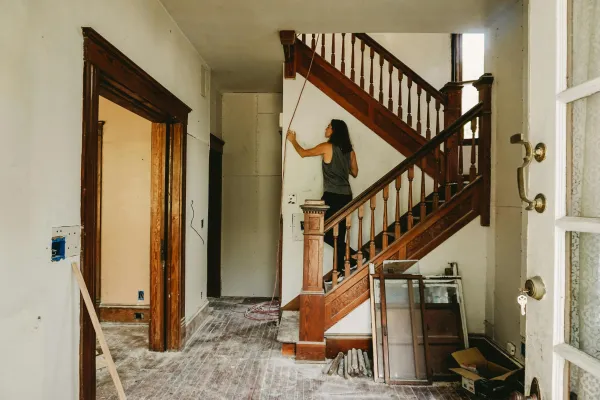
Buying your first home can feel like standing at the edge of possibility, and maybe, a little chaos. You might dream of a modern kitchen or perfect porch swing, but find yourself walking through homes that need serious TLC.
This is your real-world guide to buying, renovating, and surviving your first fixer-upper, without losing your savings (or your sanity).
Main Takeaways
● Fixer-uppers can build equity fast, but they demand realistic budgeting and patience.
● Always inspect before you buy, focus on safety repairs first, and keep an emergency fund handy.
● You can DIY certain cosmetic updates, but bring in professionals for structure, plumbing, or electrical work.
● Once the home’s complete, decide whether to stay or sell based on lifestyle, location, and market trends.
Quick Checklist Before You Make an Offer
☐ Full home inspection (include roof, plumbing, electrical, and foundation)
☐ Contractor quotes for major work
☐ Renovation financing pre-approved
☐ 15–20% extra saved for surprises
☐ Safety repairs prioritized
☐ Local permits verified
☐ DIY vs. professional tasks identified
☐ Use a project board to track progress
☐ Temporary housing plan (if needed)
How to Buy a Fixer-Upper in 5 Steps
Step 1: Secure financing first.
Some loans help cover renovations. The FHA 203(k) and Fannie Mae HomeStyle Loan both fund purchase and rehab costs.
Step 2: Find an experienced agent.
Choose one familiar with homes that need work; they’ll know which red flags signal “run” and which just mean “replace.”
Step 3: Order inspections beyond the basics.
Add specialists for foundation, sewer, roof, and electrical systems. It’s worth every penny.
Step 4: Estimate costs using a neutral calculator.
Try the NerdWallet Home Improvement Cost Calculator to gauge average repair expenses.
Step 5: Prioritize safety, not style.
Cosmetic upgrades can wait — functional systems can’t.
Typical Fixer-Upper Costs (and What You Can DIY)
| Project Type | Avg Cost Range | DIY Potential | Priority Level |
| Interior painting | $400-$1,800 | Yes | Low |
| Floor Replacement | $1,500-$4,000 | Partial |
Medium |
| Roof repair/ replacement | $6,000-$8,000 | No | High |
| Electrical rewiring | $2,500-$8,000 | No | Critical |
| Bathroom remodel | $7,000-$14K | Partial | Medium |
| Kitchen update | $10K-$25K | Partial | Medium |
| Foundation repair | $9,000-$20K | No | Critical |
|
Yard cleanup/ landscape |
$300-$2,000 | Yes | Low |
Common First-Timer Questions (FAQ Section)
Q: Can I buy a fixer-upper when interest rates are high?
A: Yes! In fact, Realty Mortgage Services outlines creative ways to shop smart even in today’s market. Focus on locking a rate early and looking for homes priced under your top budget.
Q: How do I tell a “good bones” house from a money pit?
A: Solid structure, newer roof, dry basement, and a modern electrical system are green flags. Foundation cracks, outdated wiring, or persistent dampness? Run.
Q: Can I live there during renovations?
A: You can — but expect dust, noise, and stress. If your project includes plumbing or electrical work, plan to stay elsewhere temporarily.
Q: What’s the biggest mistake new buyers make?
A: Underestimating costs and overestimating skill. You can YouTube a lot, but some repairs really need pros.
Safety First: Essential Electrical & Structural Fixes
Before diving into decor or new floors, start with the basics: power, plumbing, and protection. For electrical projects, always choose reliable parts and wiring materials from a trusted electrical supply source. Using high-quality supplies ensures your updates meet local codes and keep your home safe long-term.
If your home needs wiring updates, hire a licensed electrician to bring everything up to modern safety standards before adding smart devices, outlets, or lighting.
What to Fix First (in Order)
- Roof and foundation → keeps everything dry and standing.
- Electrical and plumbing → keeps you safe and functional.
- Insulation and windows → improves comfort and reduces bills.
- Walls, floors, and paint → aesthetic and livability upgrades.
- Kitchens and bathrooms → resale magic, once the house is sound.
DIY-Friendly Projects to Try
● Painting and wall prep
● Swapping light fixtures (if wiring’s already safe)
● Installing shelves or trim
● Small landscaping or curb appeal projects
Need tutorials? Check out free how-to guides from This Old House or HGTV.
Keep everything organized with a Notion project board — it’s great for tracking receipts, timelines, and before-and-after photos.
Budget Buffer = Peace of Mind
Always add 20–30% more to your budget than you think you’ll need. Unexpected plumbing issues, foundation cracks, or surprise code updates can eat through savings fast.
A solid budget buffer means fewer headaches — and more flexibility if a great deal on flooring or furniture pops up later.
Should You Stay or Sell When It’s Done?
Once the paint dries and the dust settles, ask:
● Does the location still fit your life?
● Could you rent or sell for profit?
● Or do you finally have the home you dreamed of — quirks and all?
For quick value checks, use online tools for general trends, but rely on a local agent for accurate appraisals.
Conclusion
Buying a fixer-upper is equal parts adventure and education. You’ll learn what “load-bearing” really means, discover muscles you didn’t know you had, and come out with a deeper appreciation for what makes a house yours.
Be patient, be safe, and remember: even the most tired house can shine again with the right care and tools.